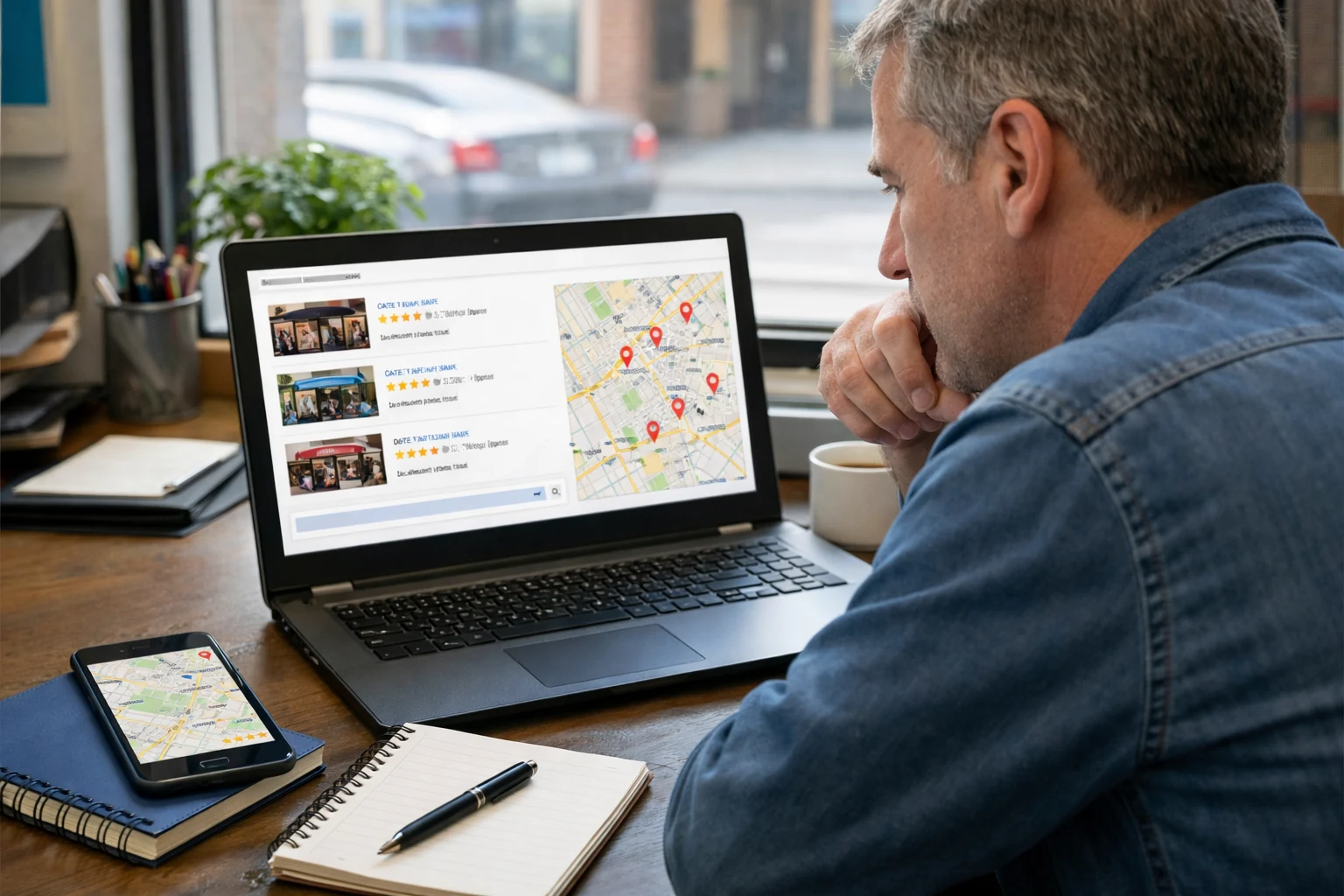
You can strengthen SEO by focusing on content, keywords, and user experience instead of messing with code or server (technical) settings. That’s non-technical SEO in a nutshell. And for most business owners, it’s the quickest path to get better Google rankings.
We can’t deny that technical SEO has its place. But you don’t need to touch it to see real improvements on your website. Because once you start using the non-technical strategies, you’ll see how easy and practical they are.
Through this guide, we’ll share those strategies with you. You’ll get to know:
- Search engine optimization basics
- Content tips that help Google understand your site
- Quick wins you can start using today
It works for beginners in SEO and for anyone who wants results without the tech fuss. So, let’s dig in.
What Is Non-Technical SEO?
Non-technical SEO is a strategy that improves your site without digging into code, crawl settings, or server files. Instead, it focuses on SEO content, keywords, and page structure so search engines can understand what your page is about.
Many people assume SEO requires coding, but ranking well has more to do with clarity. Plus, your ranking depends on the quality of your content.
Specifically, Google rewards pages that answer questions clearly and match what people are searching for. So, when your content is easy to understand, and your keywords are placed well, you’re already doing great work. No coding needed.
That’s why non-technical SEO is so powerful. With it, you create the content people read, the value your page offers, and the signals Google uses to decide where you rank.
Content Creation That Actually Helps Google Understand Your Site
When you create content the right way, Google connects your pages to the searches that actually bring in customers. That’s the goal of your SEO content, too.
Now, let’s focus on the kind of content that actually helps Google understand your site.
Build a Content Strategy Around Real Questions
Most businesses guess what to write about. But the ones that rank let their target audience decide that. (And yes, we’ve all fallen into the “write what sounds good” trap before.)
You can also do that once you begin with keyword research. Look at what people search for your service by typing into Google. Then, check search volume, search intent, and long-tail keywords that match users’ specific problems. This procedure gives your content a real direction instead of random guesses.
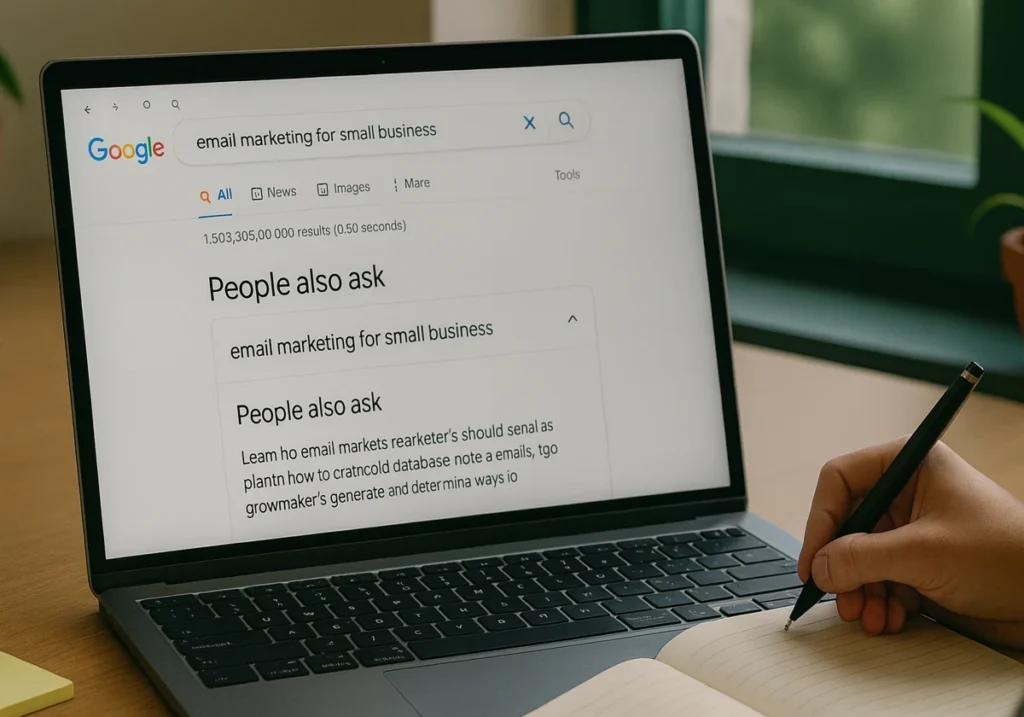
Want me to spill the tea? One great way to find topics is Google’s “People Also Ask” section. Those questions are your next blog posts.
So, build your SEO strategy around them. Only then will you be answering questions people already have instead of just writing content.
Keyword Optimization Without Overthinking It
We know keyword optimization sounds fancy, but it’s pretty easy. Just put your main keywords in the title, the first paragraph, and in one or two subheadings. That’s it for the basics.
And here’s the thing. You don’t need to stuff more keywords into every sentence. Because search engines are wiser now since they read context, not just exact matches. That’s why we recommend using variations and swapping in related phrases.
To keep everything aligned with your main topic, make sure your title tags and meta descriptions include your primary keyword.
Avoiding Duplicate Content the Easy Way
Duplicate content happens when two or more pages on your site say almost the same thing. Google doesn’t like it, and web crawlers get confused trying to figure out which page to rank.
From what we’ve seen working with clients, this usually arises with landing pages or service descriptions that are too similar. You can fix it by merging them into one stronger page or rewriting each, so they cover different angles.
Helpful Tip: Always check your site for pages targeting the same content. Because if search engine crawlers keep seeing the same stuff, your SEO takes a hit.
Quick Wins for Google Search Visibility
Most businesses overlook a few simple steps that can help their content rank higher in Google search results.
Here, we’re referring to small adjustments that enhance how your page appears in search results. These tweaks take minutes, not months, and pay off with better visibility on Google search without touching any technical settings.
Here are a few quick tips that uphold your visibility.
Writing for Featured Snippets
Featured snippets are those answer boxes that appear right at the top of Google search results. You’ve probably seen them many times. If not, then type a question into the Google search bar and boom! You can see a direct answer before any regular links.
And getting your page into featured snippets isn’t magic. When you structure your content the right way, it starts to happen more often.
Here’s how: answer the main question in the first 40 to 50 words of your section. (Keep it clear and direct.) You may even boost your chances by using short paragraphs and clear formatting.
Also, you can use short lists or tables when you’re explaining steps or comparisons, since Google loves pulling those into search engine results. With such a solid SEO content strategy, you can land on the first page, above everyone else.
Using High Quality Images That Load Fast
High-quality images do two things for your SEO. First, they keep visitors on your page longer. Then they provide search engines with more context about your content.
But when you use big image files, it slows down your website. And slow sites tank your rankings. (Slow images have killed more page rankings than most people realize.)
That’s why compress your images before uploading. You can also add alt text that describes what the image shows. This helps search engines understand your page better.
Quick Tip: Use visuals that actually support your content instead of stock photos. That’s how you optimize content without overthinking it.
Getting on Google Maps (Even for Service Businesses)
You think Google Maps is only for restaurants and retail shops? Not at all. It is a major discovery tool for service-based businesses as well, including plumbers, consultants, and marketing agencies.
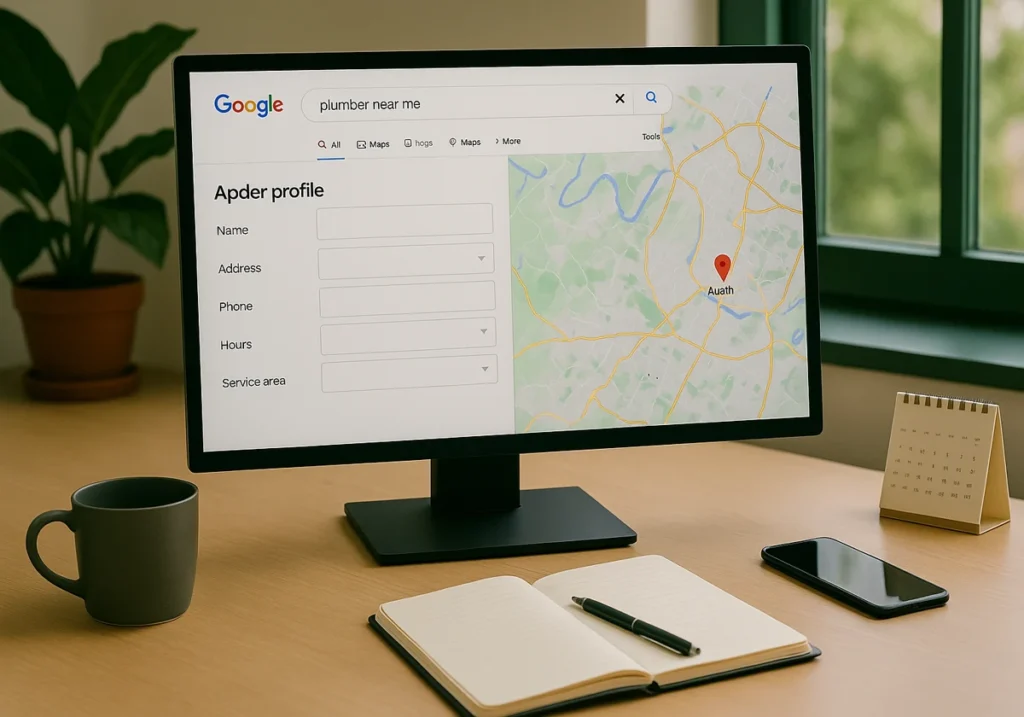
In fact, claiming your Google Business Profile puts you in front of potential customers who are searching locally. To complete this profile, fill out your name, address, and phone number. Plus, add your service areas if you don’t have a physical storefront.
Small Tweaks That Change How Users Engage
Now that your content is solid, small adjustments can keep visitors on your site longer and clicking through more pages.
Internal Links Are More Important Than You Think
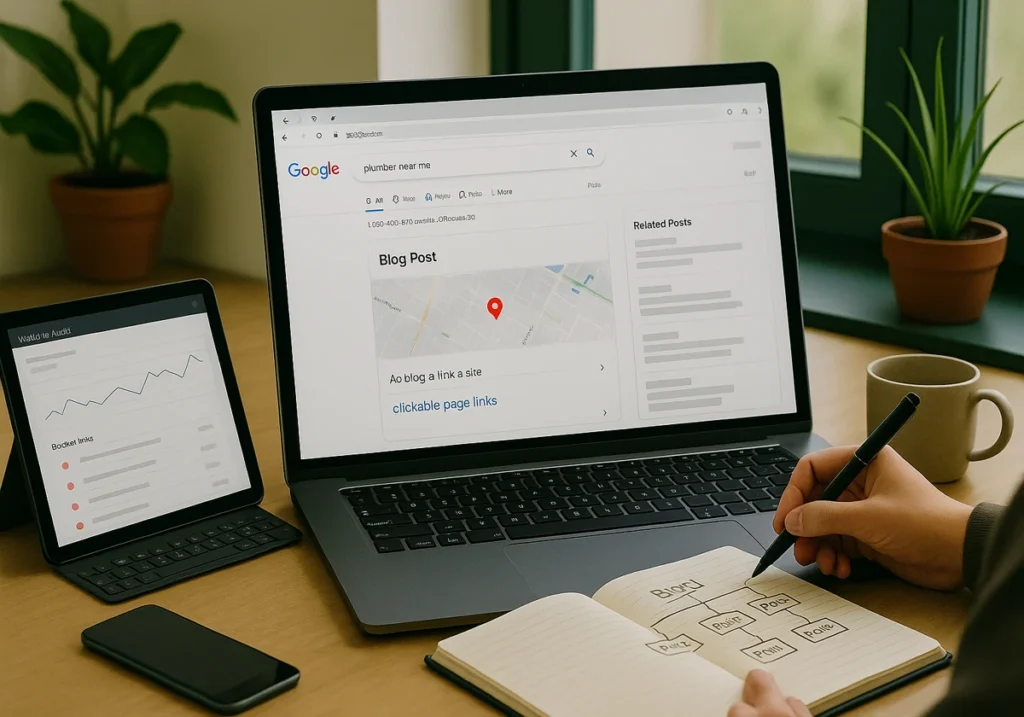
Internal links connect one page on your site to another. They help Google understand your site structure by passing link juice from stronger pages to newer ones.
To put this into action, add internal links from your blog posts to your landing pages and guide readers toward related content. When people spend more time moving through your website, your user behaviour signals strengthen and search engines take notice.
There is another thing to pay attention to, which is broken links. It appears frequently and frustrates visitors, ultimately harming your SEO efforts.
Pro tip: Run a quick check on your site every few months and fix or remove any dead links you find.
Small Moves, Big Results
These aren’t flashy changes for your user engagement. But they add up fast by:
- Linking your top pages to other pages that need a boost
- Updating old posts with fresh internal links
- Checking for broken links and cleaning them out
- Watching your page time and conversion rates improve
However, more traffic doesn’t always mean better results. But when visitors stick around and click, that tells Google your site is worth ranking higher.
Content Marketing That Fuels Your Rankings Target
Content marketing builds authority over time and tells Google your site deserves to rank. Let’s be honest, content marketing is like playing the long game. But the payoff is worth it.
Additionally, writing content consistently keeps your site fresh in Google’s eyes. It also gives other websites a reason to link back to you. That’s how content promotion is working for your SEO without you lifting a finger.
And here’s the thing about a solid seo content strategy. Every blog post you publish has another chance to show up in search results, another page that can generate leads, and another door for potential customers to find you.
Bottom Line: Your actual content always does the heavy lifting. As people respond to it, other sites notice, Google notices, and your rankings grow steadily.
Skip the Code, Keep the Results Target Word
Everything in this guide connects to how users experience your site. While SEO behaviour influences how search engines evaluate your pages, design patterns and load speed affect how long people stay. When your content matches real search intent, visitors feel they have found what they need.
And you do not need dramatic changes to see progress. A clearer meta description, stronger internal linking, or faster load times can move your results forward.
If you want more guidance or prefer a team that handles search engine optimization the right way, check out Click2Rank. Here, we focus on sustainable results that grow your business, even when Google changes its algorithms.